
How Breathwork Techniques Can Calm the Nervous System
Written By: Christine Chae, LCSW
Breathing is something your body does thousands of times a day without conscious effort. Yet within this automatic process lies a powerful tool for managing stress, calming the mind, and restoring balance to the nervous system. Unlike many of the body's involuntary functions, breathing is one of the few that you can also control deliberately, making it a direct bridge between the conscious mind and the body's internal regulation systems. In this blog, we will explore how breathwork techniques influence the nervous system, why this connection matters for your mental health, and which practices you can start using today to cultivate a greater sense of calm.
Understanding Your Nervous System
To appreciate how breathwork helps, it is useful to understand the basics of the nervous system and its role in your stress response. The autonomic nervous system (ANS) operates behind the scenes, managing essential functions like heart rate, digestion, and breathing. It has two main branches that work in balance with each other.
The sympathetic nervous system is responsible for the "fight or flight" response. When you perceive a threat, this branch activates, releasing stress hormones, increasing your heart rate, and tensing your muscles so you are prepared to respond. This is an essential survival mechanism, but when it stays active for too long, it contributes to chronic stress and its many physical and emotional consequences.
The parasympathetic nervous system is the counterbalance. Often called the "rest and digest" system, it promotes relaxation, slows the heart rate, supports digestion, and helps the body recover. A key player in this branch is the vagus nerve, the longest cranial nerve in the body, which runs from the brainstem through the chest and abdomen. The vagus nerve is central to how your body shifts from a state of stress into a state of calm, and as we will explore, breathwork is one of the most effective ways to stimulate it.
Signs Your Nervous System Needs Support
When the nervous system is stuck in a state of heightened activation, it sends signals through both the body and the mind. Learning to recognize these signals can help you understand when breathwork and other calming practices might be especially beneficial. Here are some common indicators that your nervous system may be dysregulated:
Feeling constantly on edge or unable to fully relax, even in safe environments
Difficulty falling asleep or staying asleep, as your body struggles to wind down at night
A racing heart or chest tightness that occurs without a clear physical cause
Digestive discomfort that seems connected to periods of heightened stress or emotional intensity
Irritability or emotional reactivity that feels out of proportion to the situation at hand
Shallow, rapid breathing that you may not notice until someone points it out or until you consciously check in
Chronic muscle tension, particularly in the jaw, shoulders, and hands
Difficulty concentrating or a sense of mental fog that makes it hard to stay present
If you recognize yourself in several of these signs, it does not mean something is wrong with you. It means your nervous system has been working hard to protect you and could benefit from intentional support. Breathwork is one of the most accessible and immediate tools you can use to begin that process.
The Science of How Breath Affects the Nervous System
The reason breathwork is so effective at calming the nervous system comes down to a direct physiological relationship between your breathing patterns and your vagus nerve. When you exhale slowly, you stimulate vagal tone, which is a measure of how efficiently the vagus nerve communicates calming signals throughout the body. Higher vagal tone is associated with better emotional regulation, lower heart rate, and a stronger ability to recover from stress.
Research has shown that slow, controlled breathing activates the parasympathetic branch of the nervous system, effectively telling your body that it is safe to relax. This is not just a mental trick or a placebo effect. Measurable changes occur in heart rate variability, blood pressure, and cortisol levels when a person engages in intentional breathing practices. The exhale, in particular, is powerful. A longer exhale relative to the inhale sends a strong signal through the vagus nerve that triggers the relaxation response.
This is why people who experience anxiety or panic often feel relief when they focus on their breathing. The body's calming systems are literally being activated in real time. Over time, consistent breathwork practice can strengthen this response, making it easier for your nervous system to shift out of stress mode even when you are not actively practicing.
Breathwork Techniques to Calm Your Nervous System
Different breathwork techniques serve different purposes, and experimenting with a few can help you find what resonates most with your body. The techniques below are all designed to activate the parasympathetic nervous system and promote a sense of calm.
Here are five practices you can try, whether you are new to breathwork or looking to deepen an existing practice:
1. Diaphragmatic Breathing
Also known as belly breathing, this technique involves breathing deeply into the diaphragm rather than taking shallow breaths into the chest. Place one hand on your chest and one on your abdomen. As you inhale through your nose, focus on expanding your belly rather than lifting your chest. Exhale slowly through your mouth. This style of breathing naturally activates the vagus nerve and is a foundational practice that supports all other breath-based techniques.
2. Extended Exhale Breathing
This technique emphasizes making the exhale longer than the inhale, which directly stimulates the parasympathetic response. Try inhaling for a count of four and exhaling for a count of six or eight. The longer exhale sends a clear calming signal to the nervous system. This practice is especially helpful in moments of acute stress or when you need to manage anxious feelings quickly.
3. Box Breathing
Box breathing follows a simple four-part pattern: inhale for four counts, hold for four counts, exhale for four counts, and hold again for four counts. This structured rhythm creates a sense of order and control that can be grounding when the mind feels scattered. It is widely used by athletes, first responders, and military personnel to maintain composure in high-pressure situations, and it is equally effective for everyday stress.
4. 4-7-8 Breathing
Developed as a relaxation technique, 4-7-8 breathing involves inhaling through the nose for four counts, holding the breath for seven counts, and exhaling through the mouth for eight counts. The extended hold and long exhale make this technique particularly effective for calming the nervous system before sleep or during moments when anxiety feels overwhelming.
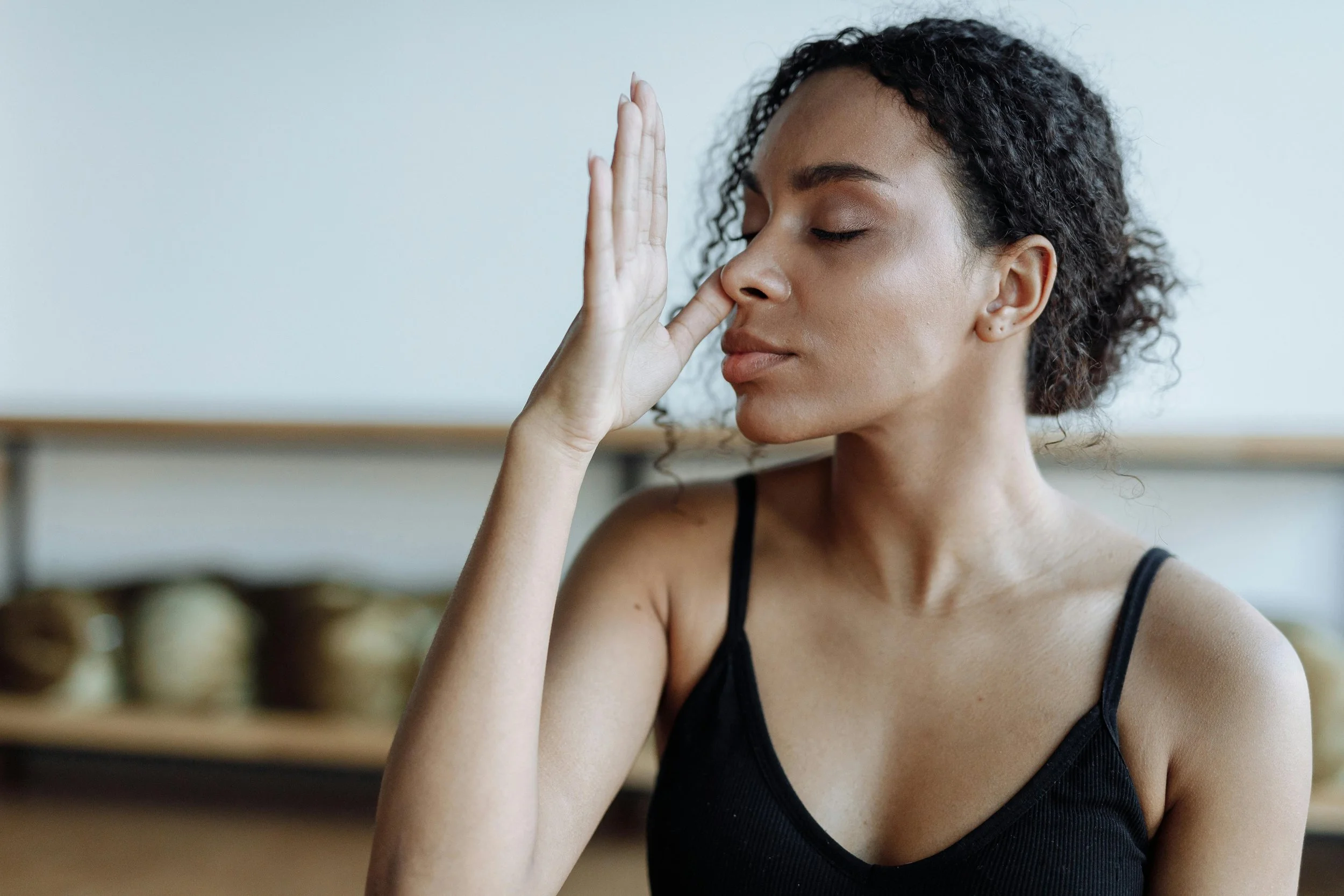
5. Alternate Nostril Breathing
This practice involves closing one nostril while inhaling through the other, then switching sides for the exhale. Specifically, close your right nostril with your thumb and inhale through the left. Then close the left nostril with your ring finger and exhale through the right. Continue alternating. This technique is rooted in ancient yogic traditions and has been shown to promote balance between the two hemispheres of the brain while reducing heart rate and promoting calm.
Each of these techniques can be practiced in as little as two to five minutes and requires no special equipment or setting. The key is consistency rather than duration.
Integrating Breathwork into Your Daily Life
The greatest benefit of breathwork comes from making it a regular part of your routine rather than reserving it only for moments of crisis. Like any skill, the more you practice, the more naturally it becomes available to you when you need it most.
Consider anchoring breathwork to existing habits. You might practice diaphragmatic breathing for a few minutes each morning before getting out of bed, use box breathing during your commute, or try 4-7-8 breathing as part of your bedtime routine. Pairing breathwork with other calming activities, such as spending time in nature or engaging in creative expression, can amplify its effects and create a more comprehensive approach to nervous system care.
It is also worth noting that breathwork can complement professional therapeutic support. If you are navigating grief and trauma, chronic anxiety, or other challenges that affect your nervous system, working with a therapist can help you understand your unique stress patterns and develop a holistic plan for healing. Our team at Abundance Therapy Center includes professionals trained in a wide range of approaches that address both the mind and the body.
Conclusion
Your breath is always with you, and learning to use it intentionally can be one of the most transformative tools in your mental health toolkit. By understanding how breathwork directly influences your nervous system, you gain the ability to shift your body from stress to calm, from reactivity to presence, in just a few minutes. Whether you are just beginning to explore breathwork or looking to deepen your practice, the techniques shared here offer a meaningful starting point. If you would like additional support in building a holistic approach to stress management and nervous system care, reach out to Abundance Therapy Center today. We are here to help you find your calm.
Disclaimer: The information contained in this blog and website is for general informational and educational purposes only. It is not intended to be a substitute for professional medical advice, diagnosis or treatment. Always seek the advice of your physician or other qualified healthcare provider with any questions you may have regarding a medical condition. Read our full terms of use here. If you are having a mental health crisis, stop using this website and call 911 or 988. Click here for resources that can provide help immediately.