
Understanding Attachment Styles in Adult Relationships
Written By: Christine Chae, LCSW
Have you ever wondered why you keep falling into the same relationship patterns? Perhaps you find yourself pushing partners away when they get too close, or maybe you constantly seek reassurance that you're loved. These patterns aren't random or a reflection of your worth. Instead, they often stem from something psychologists call attachment styles, which are deeply rooted in your earliest relationships. Understanding your attachment style can be transformative, offering insights into why you behave the way you do in relationships and providing a roadmap for building healthier, more fulfilling connections with your partner.
Attachment theory suggests that the bonds we form with our primary caregivers in childhood create a blueprint for how we relate to others throughout our lives. The good news? Attachment styles aren't set in stone. With awareness, intentional effort, and often the support of individual therapy, you can develop a more secure way of relating to others, regardless of your past experiences.
What is Attachment Theory?
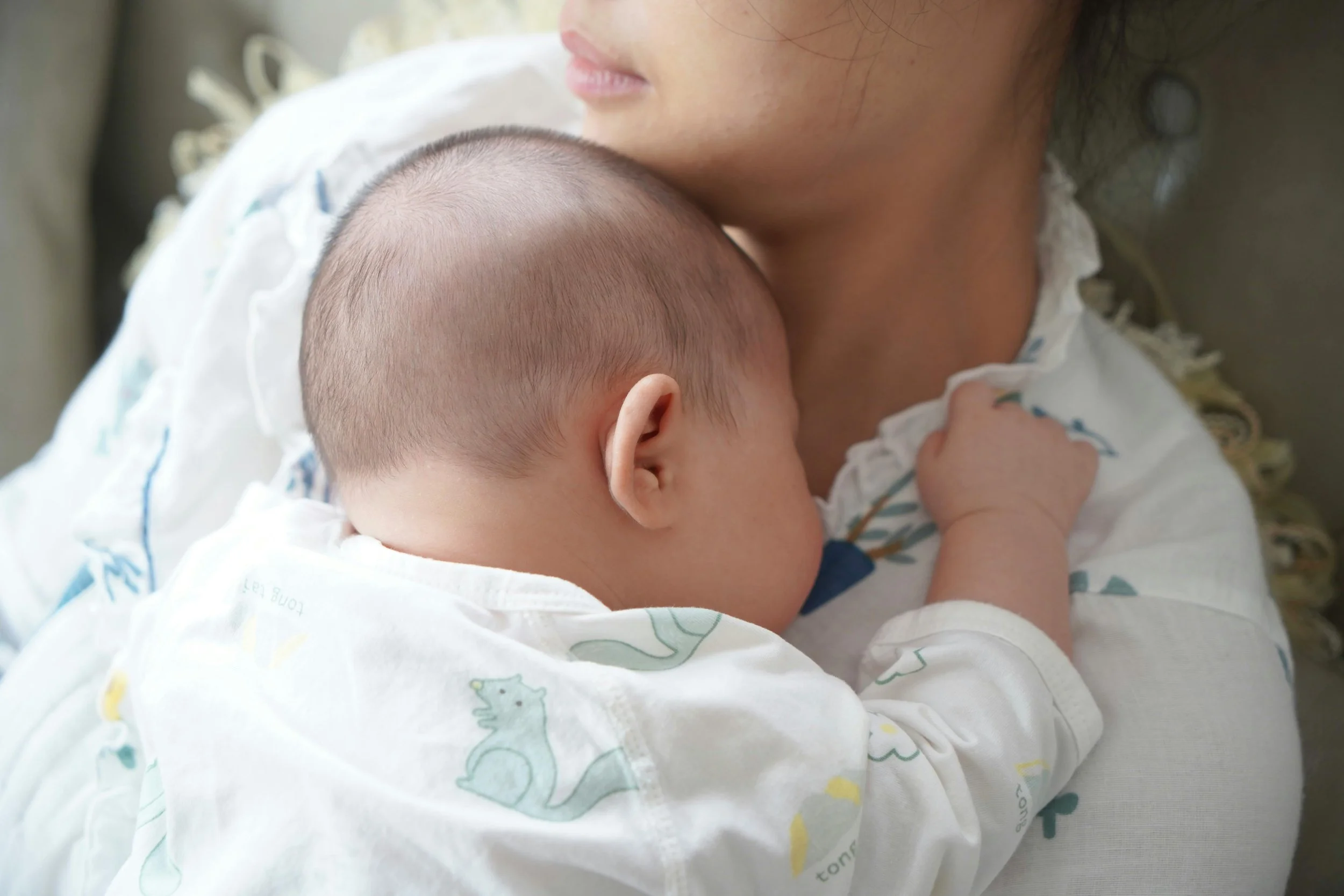
Attachment theory emerged from groundbreaking research into the bonds between infants and their caregivers. John Bowlby, working with children separated from their parents during World War II, observed that early experiences with caregivers profoundly shaped children's emotional development and their ability to form relationships later in life. Mary Ainsworth expanded this work through her famous "Strange Situation" experiment, which identified distinct patterns in how children responded to separation from and reunion with their caregivers.
These early relationship experiences create what psychologists call "internal working models," which are essentially mental frameworks for understanding relationships. These models shape our expectations about whether others are trustworthy and responsive, whether we ourselves are worthy of love, and how safe it is to depend on others. As we grow into adulthood, these internal working models continue to influence how we approach romantic relationships, how we handle conflict, and how comfortable we feel with emotional intimacy.
Understanding attachment theory isn't about blaming your parents or dwelling on the past. Rather, it's about gaining insight into the patterns that may be holding you back from the connections you desire. This awareness is the first step toward change and growth in your relationships.
The Four Main Attachment Styles
Attachment theory identifies four primary patterns that emerge from early childhood experiences and continue to influence adult relationships. While no one fits perfectly into a single category, understanding these styles can help you recognize your own patterns and those of your partners.
Secure Attachment
Adults with secure attachment styles feel comfortable with both intimacy and independence. They trust their partners, communicate their needs effectively, and don't fear abandonment or engulfment. People with secure attachment typically grew up with caregivers who were consistently responsive, warm, and attuned to their needs.
In relationships, securely attached individuals can express vulnerability without excessive fear. They handle conflict constructively, seeking resolution rather than avoiding difficult conversations or becoming overwhelmed by them. They maintain their sense of self within relationships while also being able to lean on their partners when needed. Securely attached people generally report higher relationship satisfaction and are better equipped to navigate the inevitable challenges that arise in partnerships.
Anxious Attachment
Those with anxious attachment styles often crave closeness and reassurance but simultaneously worry that their partners don't truly love them or will leave them. This attachment style typically develops when caregivers were inconsistent in their responsiveness, sometimes available and nurturing, other times distant or preoccupied.
Adults with anxious attachment may become preoccupied with their relationships, constantly seeking validation and struggling with jealousy. They might interpret neutral behaviors as signs of rejection, leading to frequent reassurance-seeking that can sometimes push partners away. People with this style often describe feeling like they love more intensely than their partners do. They may have difficulty being alone and can struggle with the independence their partners need. In moments of conflict, anxiously attached individuals might become emotionally heightened, fearing that disagreements signal the end of the relationship.
Avoidant Attachment
Avoidant attachment is characterized by a strong emphasis on independence and self-reliance, often at the expense of emotional intimacy. This style typically develops when caregivers were emotionally unavailable, dismissive of emotional needs, or placed high value on self-sufficiency from an early age.
Adults with avoidant attachment often feel uncomfortable with too much closeness and may unconsciously create distance in relationships. They might minimize the importance of emotions, avoid vulnerable conversations, or pull away when partners seek deeper connection. While they may desire relationships on some level, they also fear losing their autonomy and being controlled or overwhelmed by a partner's needs. In conflicts, avoidant individuals might withdraw, shut down emotionally, or deflect difficult conversations. They may struggle to articulate their feelings or needs, often because they learned early on that expressing vulnerability wasn't safe or worthwhile.
Disorganized Attachment
Disorganized attachment, sometimes called fearful-avoidant attachment, is the most complex and challenging pattern. It develops when caregivers were simultaneously a source of comfort and fear, often in situations involving trauma, abuse, or severely inconsistent caregiving.
Adults with disorganized attachment experience conflicting desires for closeness and distance. They desperately want intimate connections but simultaneously fear them, creating a push-pull dynamic in relationships. They might oscillate between anxious and avoidant behaviors, leaving partners confused about their needs. People with this attachment style often have difficulty regulating their emotions and may experience intense reactions to perceived threats in relationships. Therapy is particularly important for individuals with disorganized attachment, as this pattern is often linked to unresolved trauma that requires professional support to heal.
How Attachment Styles Show Up in Relationships
Your attachment style influences virtually every aspect of how you relate to your partner. In communication, securely attached individuals tend to express themselves clearly and listen with empathy, while anxiously attached people might over-communicate or seek excessive reassurance. Avoidant individuals may struggle to articulate feelings or share vulnerable thoughts, and those with disorganized attachment might communicate inconsistently, sometimes opening up deeply and other times completely shutting down.
Conflict resolution varies dramatically across attachment styles. Secure individuals can engage in disagreements without feeling threatened by them, viewing conflict as an opportunity to understand each other better. Anxious individuals might become intensely emotional during conflicts, fearing that any disagreement could lead to abandonment. Avoidant partners often withdraw during conflict, preferring to process alone or simply hoping issues will resolve themselves. This can be particularly challenging when paired with an anxiously attached partner who needs to talk things through immediately.
The way attachment styles influence intimacy and vulnerability is equally significant. Secure individuals can share their authentic selves without excessive fear of judgment or rejection. Anxiously attached people might share too much too quickly, seeking to create rapid intimacy, or constantly probe their partner's feelings to gauge their commitment. Avoidant individuals typically reveal themselves slowly and may keep certain emotional walls up even in long-term relationships. Understanding these patterns can help partners navigate differences with more compassion and less judgment.
Recognizing Your Attachment Style
Identifying your attachment style requires honest self-reflection about your relationship patterns. Consider how you typically respond when a partner needs space. Do you feel anxious and abandoned, or do you feel relieved? How comfortable are you depending on others? Do you readily share your emotional needs, or do you pride yourself on handling everything alone? How do you react when your partner is upset with you? Do you pursue them for resolution, shut down, or alternate between these responses?
Pay attention to your triggers in relationships. What situations make you most anxious or cause you to pull away? Often, our strongest reactions point to attachment wounds that need healing. If you find yourself repeatedly experiencing the same relationship challenges across different partners, your attachment style is likely playing a significant role.
It's worth noting that attachment styles can vary somewhat depending on context and specific relationships. You might display one style with romantic partners but a different pattern with friends or family. Additionally, significant life events, personal growth work, or particularly healing relationships can shift your attachment orientation over time.
Healing and Developing More Secure Attachment
The most hopeful aspect of attachment theory is that attachment styles can change through conscious effort, supportive relationships, and often therapeutic work. Here are key strategies for developing more secure attachment:
1. Work with a Trained Therapist
A skilled therapist provides a consistent, attuned relationship that can serve as a corrective emotional experience, essentially re-parenting the attachment system.
2. Develop Emotional Regulation Skills
Practice mindfulness, journaling, or somatic exercises to help you respond more intentionally rather than reactively in relationships.
3. Learn to Self-Soothe
For anxiously attached individuals, developing internal sources of validation reduces the burden on partners to constantly provide reassurance.
4. Practice Gradual Vulnerability
For avoidant individuals, sharing emotions in small doses and learning to recognize feelings can deepen connections without feeling overwhelmed.
5. Build Secure Relationships
Connections with friends, mentors, or family members provide opportunities to practice secure attachment behaviors and experience reliable, responsive connections.
6. Engage in Couples Therapy
Couples therapy can help partners understand each other's attachment needs and develop more secure patterns together.
With these tools and consistent practice, people with insecure attachment styles can develop what's called "earned secure attachment" and create healthier relationship patterns.
Attachment Styles in Couples
Understanding how different attachment styles interact in partnerships is crucial for relationship success. The most challenging but common pairing is the anxious-avoidant dynamic, where one partner's pursuit triggers the other's withdrawal, which in turn intensifies the pursuer's anxiety. This creates a painful cycle that both partners experience as confirming their worst fears about relationships. The anxious partner feels increasingly abandoned, while the avoidant partner feels increasingly engulfed.
Two anxiously attached individuals together might create an emotionally intense relationship with frequent reassurance-seeking from both sides, potentially leading to enmeshment. Two avoidant partners might maintain a stable but emotionally distant relationship, potentially lacking the deep intimacy that sustains long-term partnerships. The most stable pairing is typically when at least one partner has secure attachment, as secure individuals are better equipped to provide the consistency and emotional availability that helps partners with insecure attachment gradually develop more security.
Regardless of attachment style combinations, awareness is key. When both partners understand their own and each other's attachment patterns, they can work together to meet each other's needs and break negative cycles. This might mean an anxious partner consciously giving an avoidant partner space without taking it personally, while the avoidant partner intentionally initiates connection and vulnerability even when it feels uncomfortable. Couples therapy can be invaluable in navigating these dynamics and developing a more secure relationship together.
Conclusion
Understanding attachment styles offers a powerful framework for making sense of your relationship patterns and creating the connections you desire. Your attachment style influences how you communicate, handle conflict, and experience intimacy, but it doesn't have to limit your capacity for fulfilling relationships. At Abundance Therapy Center in Los Angeles, our experienced therapists understand attachment dynamics and can help you develop healthier relationship patterns through individual therapy, couples counseling, or both. If you're ready to break free from painful relationship cycles and build more secure, satisfying connections, reaching out for support is a powerful first step.
Disclaimer: The information contained in this blog and website is for general informational and educational purposes only. It is not intended to be a substitute for professional medical advice, diagnosis or treatment. Always seek the advice of your physician or other qualified healthcare provider with any questions you may have regarding a medical condition. Read our full terms of use here. If you are having a mental health crisis, stop using this website and call 911 or 988. Click here for resources that can provide help immediately.